
In recent years, the popularity of the small-scale catering and milk tea industry has continued to rise, becoming a "hot commodity" in the eyes of entrepreneurs. From bustling commercial districts to neighborhood corners, milk tea shops are ubiquitous, seemingly offering business opportunities everywhere. But can this seemingly lucrative market truly guarantee success for every entrant? The answer is clearly no. In a fiercely competitive market, newcomers going it alone struggle to compete with seasoned veterans, and individual entrepreneurs find it difficult to challenge the market position of chain brands. Coupled with persistently high operating costs, many aspiring entrepreneurs are deterred.
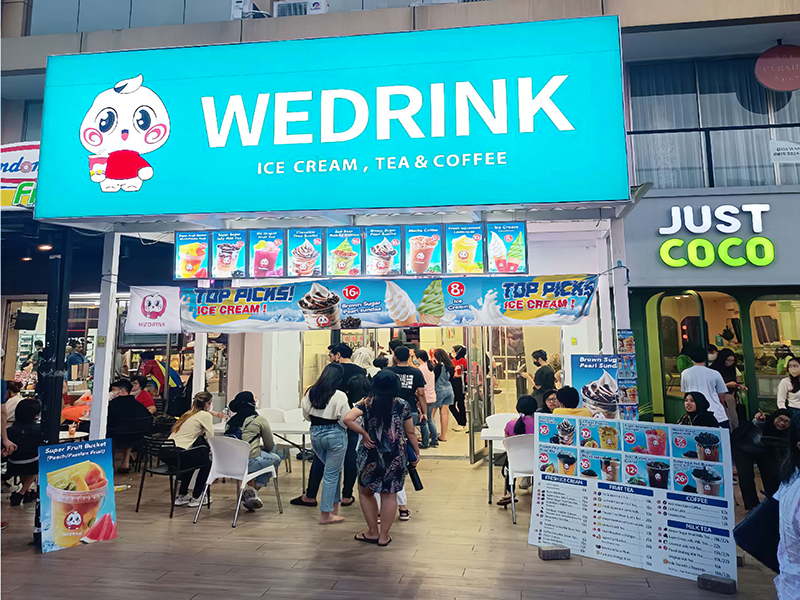
However, the small-scale catering sector is not monolithic; different categories exhibit vastly different development trends. The full-service restaurant market is already a red ocean, with competition reaching its peak, while fast-food beverages, represented by milk tea, still possess enormous development potential. The popularity of milk tea is not only reflected in the surge in the number of stores but also in the booming trend of brand-opened business opportunities. More and more milk tea brands are opening up business partnerships, providing entrepreneurs with a convenient gateway to the milk tea industry. Behind this lies the support of three core advantages: brand resources, support policies, and R&D innovation.
I. Brand Resources: A Powerful Money-Making Tool with Built-in Traffic
When consumers stand in front of a beverage shop, faced with Mixue Ice Cream and an unknown milk tea shop, most will choose the former without hesitation. This is the power of a brand. Well-known milk tea brands have accumulated a good reputation and high popularity over many years of market experience; their brand itself is an intangible asset. By choosing a milk tea brand that offers business opportunities, entrepreneurs can directly leverage the brand's market appeal to quickly attract consumer attention.
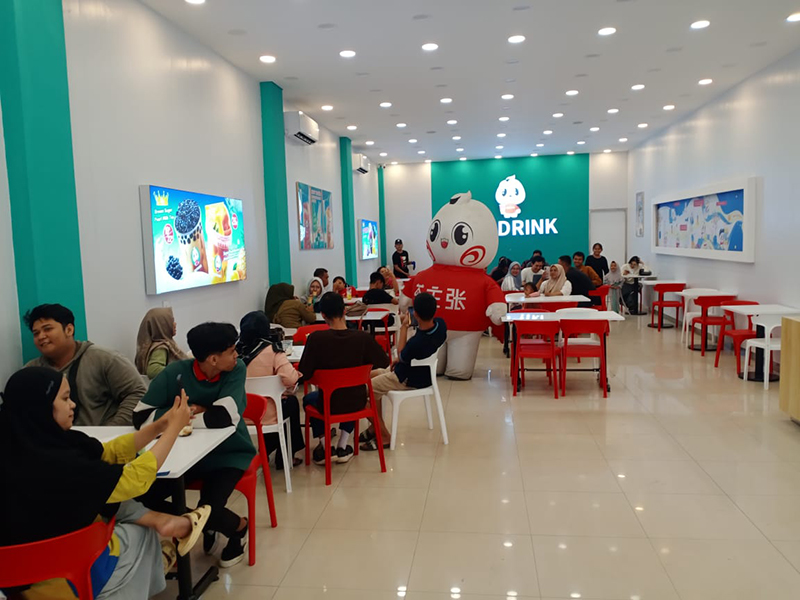
The built-in traffic effect of a brand can save new stores a significant amount of upfront promotion costs. Consumers will actively visit the store because of their trust in the brand, and may even spontaneously promote the brand. For example, WEDRINK, with its "affordable + delicious" brand positioning, has deeply resonated with consumers, and its stores quickly attract a large number of customers wherever they open. The support of brand resources is something individual entrepreneurs can hardly achieve even with significant time and money.
II. Support Policies: One-Stop Support for Entrepreneurs
For inexperienced entrepreneurs, opening a milk tea shop presents numerous challenges: How to choose a location to ensure customer traffic? How to design the interior to attract young people? How to learn the production techniques to ensure consistent taste? How to conduct opening promotions to quickly penetrate the market? These problems are difficult to solve individually. Milk tea brands that offer open business opportunities provide entrepreneurs with comprehensive support policies, creating a "one-stop" entrepreneurial service system, making the entrepreneurial journey easier and smoother.
III. R&D Innovation: Continuously Renewed Product Competitiveness
In the milk tea market, the problem of product homogenization is increasingly serious. Milk tea shops on every street corner sell largely the same products, making it difficult to generate sustained consumer demand. To stand out in fierce competition, a unique product advantage is essential. Milk tea brands that offer open business opportunities often have professional R&D teams that continuously innovate products, providing a constant stream of new product support for stores.
Through continuous research and development, the brand can consistently meet the increasingly diverse needs of consumers, maintaining product freshness and competitiveness. Simultaneously, the brand headquarters will promptly promote newly developed products to all stores, allowing entrepreneurs to keep up with market trends without the need for their own R&D efforts.
In today's increasingly diverse consumer landscape, opening up business opportunities in the milk tea industry is undoubtedly one of the best options for entrepreneurs entering the market. However, it's important to note that not all milk tea brands offering business opportunities will bring good returns to entrepreneurs. Entrepreneurs must carefully screen brands, examining their brand awareness, reputation, support policies, R&D capabilities, and other aspects to select truly strong and promising brands. Only in this way can they succeed in the milk tea industry and ensure their business thrives.